

Cleanse Your Space and Energies
In a world where the hustle and bustle of modern life often leaves us feeling drained and disconnected, ancient practices offer a soothing balm for the soul. Among these age-old rituals, smudging stands out as a powerful way to cleanse your surroundings, clear your energies, and create a harmonious atmosphere. In this article, we’ll delve into the captivating world of smudging, exploring its history, benefits, methods, the beauty of incense and perfumed sticks, and various applications. Get ready to unlock the transformative potential of this ancient art and invite positivity into every corner of your life.
Embracing the Essence of Smudging
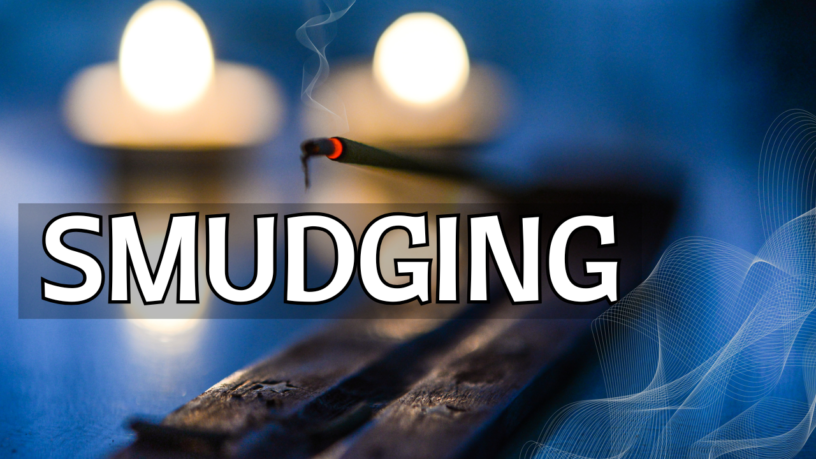
Smudging, also known as smoke cleansing, is a practice rooted in indigenous cultures around the world. The process involves burning specific herbs, woods, incense, or perfumed sticks to infuse spaces with captivating aromas and cleanse energies, to release their aromatic smoke, which is believed to purify the air, cleanse energies, and offer protection against negative forces. Just as the gentle dance of smudging smoke carries with it a sense of ancient wisdom and connection, the fragrant embrace of incense and perfumed sticks elevates our senses and nurtures our spirits, making it a profound tool for modern seekers of balance and harmony.
The Benefits of Smudging
- Energizing Spaces: Smudging can clear stagnant or negative energies from your surroundings, infusing your space with renewed vitality and positivity.
- Emotional Upliftment: The aroma of smudging herbs can have a calming effect on the mind, promoting emotional balance and relaxation. Different fragrances can uplift your mood, creating a more harmonious atmosphere for work, leisure, or introspection.
- Stress Relief: Certain scents have the power to ease stress and anxiety, promoting a sense of calm and relaxation.
- Ritual and Intention: Smudging can serve as a meditative practice, allowing you to set intentions and connect with your inner self on a deeper level.
- Cleansing Objects: Beyond spaces, smudging can be used to cleanse objects, crystals, or even clothes from residual energies.
- Cultural Respect: By engaging in smudging, you’re honoring the traditions of indigenous cultures that have used this method for centuries.
- Spiritual Connection: Throughout history, aromatic elements have been used in spiritual and religious practices to connect with higher realms.
Methods of Smudging
While smudging can be tailored to personal preferences, here’s a basic guide to get you started:
Materials Needed:
- Sage bundles (white sage, desert sage, or other smudging herbs)
- Abalone shell or fireproof container
- Matches or lighter
Smudging Steps:
- Set Intentions: Before you begin, take a moment to set your intentions for the smudging session. Focus on what you wish to cleanse or invite into your space.
- Light the Sage: Use matches or a lighter to ignite the sage bundle. Allow it to catch fire for a few seconds before gently blowing it out, allowing it to smolder and release smoke.
- Hold in Abalone Shell: Hold the sage bundle over an abalone shell or a fireproof container to catch any ashes.
- Start Smudging: Begin by smudging yourself, waving the sage smoke around your body from head to toe. Imagine the smoke carrying away any negativity or tension.
- Move to Spaces and Objects: Walk around your space, waving the smoldering sage bundle in corners, doorways, and areas that feel energetically heavy. If cleansing objects, pass them through the smoke.
- Release Intentions: As you smudge, visualize the space or object being cleansed and energized. You can also recite affirmations or intentions aloud.
- Extinguish Safely: Once you’ve finished smudging, gently press the sage bundle into the abalone shell to extinguish any remaining embers.
Plant and Wood Variations:
While white sage is a popular choice for smudging, other plants and woods can also be used:
- Palo Santo: Known as “holy wood,” palo santo emits a sweet, uplifting aroma and is used for cleansing and grounding.
- Cedar: Cedar smudging is associated with protection and strength. Its aromatic smoke is believed to purify and bless spaces.
- Sweetgrass: This fragrant grass is often used after smudging to invite positive energies back into the cleansed space.
- Frankincense: also known as olibanum is an aromatic resin obtained from trees, usually grains of resins (sometimes mixed with spices) that burn with a fragrant odor, widely used as an oblation.
- Natural Perfumed Sticks: Slender sticks, coated with a blend of aromatic materials, and crafted from natural ingredients, these sticks combine aromas with a touch of nature’s beauty. Light the tip and allow it to smolder, releasing fragrant smoke.
Smudging for Specific Occasions:
- Home Cleansing – Smudge your home to cleanse energies after moving, during challenging times, or when welcoming positive changes.
- Room Clearing – Focus on specific rooms or areas where energy feels stagnant or heavy, such as bedrooms or workspaces.
- Object Cleansing – Smudge objects obtained from others or antiques to clear any residual energies.
- Crystal Cleansing – Pass your crystals through the smoke to cleanse and recharge their energies.
- Personal Clearing – Smudge yourself after a long day, before meditation, or to release stress.
- Meditation & Relaxation – To create a serene environment light incense or perfumed sticks before meditation or relaxation practices.
- Morning Energizer – Start your day by smudging and lighting an energizing incense stick, setting a positive tone for the hours ahead.
Incorporating Intention
As you smudge, align your intentions with the ancient wisdom of the practice. Envision negative energies dispersing as the smoke rises, and welcome positive energies to fill the space.
Choosing Scents Wisely
When embarking on a smudging ritual, the choice of scents plays a crucial role in the experience and outcomes. Different plants and herbs carry distinct aromatic profiles, each contributing its unique energy and essence to the cleansing process. As you explore the realm of smudging, consider the wide array of scents available and their specific attributes:
- Sage: Perhaps the most well-known smudging herb, sage is renowned for its cleansing and purifying properties. White sage, in particular, is a staple in many smudging rituals due to its strong and earthy aroma. It’s believed to dispel negative energies and restore harmony.
- Sandalwood: Grounding and spiritual, ideal for meditation and mindfulness.
- Cedar: Cedar possesses a warm, woody fragrance that evokes a sense of grounding and stability. It’s often used to cleanse and protect spaces, inviting in positive energies while helping to create a sense of emotional balance.
- Lavender: Calming and soothing, perfect for relaxation and sleep. Lavender’s delicate and floral scent is associated with relaxation, tranquility, and inner peace. Incorporating lavender into your smudging ritual can infuse the atmosphere with a serene and calming energy.
- Palo Santo: With a sweet and citrusy aroma, Palo Santo is revered for its ability to clear stagnant energy and invite positivity. It’s often used to create an uplifting and sacred environment.
- Citrus: Uplifting and refreshing, great for boosting energy and positivity.
- Sweetgrass: As its name suggests, sweetgrass emits a sweet, vanilla-like fragrance that’s deeply soothing. It’s believed to attract positive spirits and invite blessings into the space.
- Frankincense: The rich, resinous scent of frankincense is often used in spiritual and ceremonial settings. It’s associated with purification, protection, and heightened spiritual awareness.
- Myrrh: Myrrh’s earthy and slightly bitter aroma is linked with healing and transformation. It’s believed to help release negative emotions and promote a sense of inner peace.
- Rosemary: Rosemary’s invigorating and herbaceous scent is known for its cleansing and purifying qualities. It’s often used to dispel negativity and enhance mental clarity.
- Juniper: Juniper emits a fresh and woody fragrance that’s both uplifting and grounding. It’s believed to purify the atmosphere and invite positivity.
- Cinnamon: The warm and spicy aroma of cinnamon is associated with abundance, protection, and vitality. Incorporating cinnamon into your smudging practice can infuse the space with a sense of energy and vibrancy.
Guidance for Choosing Scents
As you select scents for your smudging ritual, consider the intention behind your cleansing. Are you seeking to clear negative energy, invite positivity, enhance relaxation, or promote healing? Each scent carries its own energy and purpose, so align your choice with your desired outcome.
Additionally, trust your intuition. Smelling different scents and observing your immediate emotional and energetic response can guide you toward the scents that resonate most with you.
Creating Custom Blends
Feel free to experiment with blending different herbs and plants to create a custom smudging blend that aligns with your intentions. Combining scents that amplify each other’s qualities can enhance the overall potency of your smudging ritual.
Remember, the scents you choose for your smudging ritual contribute to the sensory experience and the energetic shift you’re aiming to achieve. Whether you’re seeking to cleanse, protect, uplift, or heal, the aromatic palette of smudging offers a wide array of options to align with your unique needs and intentions.
Crafting Your Aromatic Space
Setting Intentions – As you light incense or perfumed sticks, focus on your intentions for the space and the atmosphere you wish to create.
Mindful Moments – Use aromas as a trigger for mindfulness. Whenever you catch a whiff of the chosen scent, take a moment to breathe and reconnect.
Cultural Sensitivity – When practicing smudging, it’s essential to honor the cultural origins of the ritual and use it respectfully.
Scientific Evidence and Studies
Numerous studies have explored the effects of aromatherapy on stress reduction, sleep quality, and emotional well-being, adding scientific credibility to the benefits of using incense and perfumed sticks for enhancing spaces. It’s important to note that some individuals may be sensitive to certain scents or smoke. Choose fragrances that resonate with you and avoid overexposure.
Safety Precautions When Practicing Smudging
While smudging can be a powerful and transformative practice, it’s essential to prioritize safety to ensure a positive and harmonious experience. Here are some key safety precautions to keep in mind when engaging in smudging:
1. Proper Ventilation: When smudging, it’s crucial to ensure proper ventilation in the space. Open windows or doors to allow the smoke and any negative energy to dissipate. This also helps prevent the accumulation of too much smoke, which can lead to discomfort or respiratory issues.
2. Fire Hazards: Since smudging involves the use of burning herbs, it’s important to be mindful of fire hazards. Use a fireproof container, such as an abalone shell or a ceramic bowl, to catch any falling embers. Keep the smudging materials away from flammable objects and surfaces.
3. Fire Safety: Never leave burning smudging materials unattended. When you’re done with the ritual, ensure that the herbs are completely extinguished by gently tapping them in the fireproof container. Remember to double-check that no residual embers are left smoldering.
4. Respect for Others: If you’re practicing smudging in a shared living space, be considerate of others who might have sensitivities to smoke or scents. Communicate with those around you to ensure everyone’s comfort and well-being.
5. Personal Health: If you have respiratory conditions or sensitivities to smoke, be cautious when engaging in smudging. Consider using smokeless alternatives, such as smudging sprays or essential oil diffusers, to achieve similar energetic cleansing without the smoke.
6. Smoke Detectors: If you’re smudging indoors, be aware of nearby smoke detectors. Smoke detectors can be sensitive to the smoke generated during smudging, so it’s a good idea to temporarily disable them during the ritual or choose a well-ventilated area away from the detectors.
7. Pet Safety: Keep in mind that pets may be sensitive to the smoke and scents produced during smudging. Ensure that your pets have the option to leave the space if they’re uncomfortable.
8. Intention and Mindfulness: Approach smudging with intention and mindfulness. Keep your focus on the energetic cleansing and transformation you’re seeking, and take the time to create a peaceful and intentional environment for the ritual.
By following these safety precautions, you can enjoy the benefits of smudging while ensuring the well-being of yourself, others, and your surroundings. Remember that safety and mindfulness go hand in hand, and your smudging experience will be enriched when practiced responsibly and with care.
A Symphony of Senses and Energies
As you embark on the journey of smudging, incense, and perfumed sticks, you’re opening a gateway to a world where aromas intertwine with energies, and ancient practices fuse with modern well-being. The delicate tendrils of smoke, the aromatic embrace, and the transformative potential – all merge to create a symphony that resonates through your spaces and your soul. By engaging in this ancient practice, you can cleanse your surroundings, shift your energies, and elevate your overall well-being. As the delicate tendrils of smoke dance and carry your intentions to the universe, you’re participating in a timeless tradition that brings balance, positivity, and connection to both the past and the present. So, light your incense, embrace the fragrant journey, breathe in the aromatic embrace of its smoke, and let the harmonious blend of scents and energies enrich every facet of your life. Embark on a journey of transformation through the ancient art of smudging.
If this resonated with you, there is more to explore.
Subscribe to Alma Noble and receive the Mindful Soul Starter Kit as a welcome gift for your journey.
Claim Your FREE Soul Starter Kit






















Primary Tinting
This blog post is so informative and inspiring! I love learning about different ancient practices for cleansing and energizing spaces. After reading this, I am curious to know which scent the author personally prefers for smudging and why? Great post! Which scent do you prefer for smudging and why?
Alma Noble
I personally find myself drawn to the captivating aroma of frankincense on occasional smudging occasions. Frankincense holds a powerful presence, its rich and woody scent carrying a sense of ancient wisdom and spiritual connection that resonates deeply within me. It adds a touch of mystique to the smudging ritual, elevating the experience to a higher plane.
On most days, I find myself reaching for the comforting embrace of natural perfumed sticks ( I prefer Golden Nag ~ Incense Sticks ~ especially Forest is by far my favorite – are high quality indian handmade incense stick), and also sage. The earthy, herbal scent of sage is not only familiar but also holds a special place in my heart. Its cleansing properties, both energetically and aromatically, make it an essential part of my smudging practice. The simple act of igniting a sage bundle fills the air with a reassuring aroma that immediately brings me a sense of calm and focus.
Also as someone who also cherishes the energy of crystals, I intertwine their care with my smudging practice. Periodically, I cleanse my crystals using the power of smudging, allowing the purifying smoke to wash over them and rejuvenate their energies, ensuring that they remain vibrant and ready to support me on my spiritual journey.
Incorporating a variety of scents into my smudging practice allows me to tap into different energies and intentions. From the empowering depth of frankincense to the grounding nature of sage, each aroma adds its unique essence to the transformative journey of smudging. It’s this versatility and the personal connection with the scents that make smudging not just a ritual but a beautiful sensory experience that uplifts both my space and my soul.
Bonfire Bubble Tea
This blog post offers a comprehensive guide to smudging. I appreciate the inclusion of different scents and their specific attributes. My question for the author is: Can you recommend any specific rituals or practices that can be incorporated alongside smudging to further enhance the transformative experience?
Alma Noble
Incorporating additional rituals or practices can indeed enhance the transformative experience of smudging. Here are a few suggestions:
Intention Setting: Before you begin smudging, take a moment to set a clear intention for the practice. This could be anything from clearing negative energy, inviting positivity, or promoting relaxation. Hold this intention in your mind as you proceed with the smudging ritual.
Deep Breathing: As you move through your space with the smudging tool, take slow and deliberate breaths. Inhale positivity and exhale negativity. Deep breathing can help you stay present and focused on the cleansing process.
Visualizations: While smudging, visualize the smoke carrying away any negativity or stagnant energy. Imagine a bright, clean, and revitalized space in your mind’s eye.
Chants or Affirmations: Incorporate meaningful chants or affirmations that resonate with your intention. You can create your own or find traditional ones that align with your purpose.
Sound Healing: Use instruments like singing bowls, bells, or even your own voice to create soothing sounds. Sound vibrations can complement the cleansing process and enhance the energy shift.
Meditation: Before or after smudging, engage in a short meditation. This can help you connect with the present moment and create a calm and focused atmosphere.
Crystals: Place crystals or gemstones in the areas you are smudging. Certain crystals have cleansing properties that can amplify the energy-clearing effects.
Sacred Music: Play soft, calming, or spiritual music during the smudging process. The vibrations of the music can align with the intention of cleansing and renewal.
Gratitude Practice: As you complete the smudging ritual, take a moment to express gratitude for the process. Acknowledge the positive energy you’ve invited into your space.
Journaling: After smudging, write down your feelings, experiences, and any insights that came to you during the practice. Journaling can help you track your progress and reflect on the changes in your space and energy over time.
Remember that these additional practices can be personalized to align with your beliefs and intentions. Combining smudging with other rituals can create a more holistic and meaningful experience.