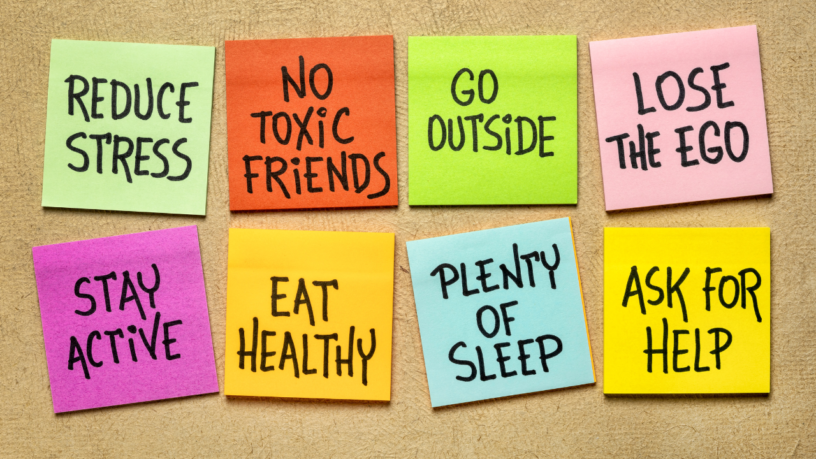


The Natural Path to Dopamine, Energy, and Inner Balance
The Happiness We Keep Chasing
There is a particular kind of tiredness that has nothing to do with sleep.
It comes from scrolling too long, eating too quickly, seeking stimulation in places that leave us emptier than before. It comes from a life lived at the surface — busy, connected, entertained, and somehow still unsatisfied.
What we are often chasing, without knowing it, is dopamine. But not all dopamine is created equal.
The dopamine released by a notification, a sugar rush, or a moment of viral entertainment is real — but it is borrowed. It spikes fast, fades faster, and leaves the system wanting more without ever feeling truly fed. The dopamine that comes from movement, from genuine connection, from learning something new, from sleeping deeply — that is different. It builds. It sustains. It quietly reshapes who we are over time.
This article is about the second kind. About the small, unglamorous, deeply effective daily choices that allow the brain and body to generate well-being from the inside out — rather than importing it, temporarily, from the outside in.
None of what follows is complicated. But simple, practiced consistently, becomes transformative.
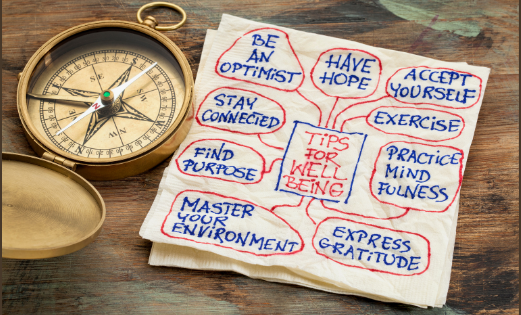
1. Morning Movement
The body was not designed to wake up and immediately become still again — seated at a desk, hunched over a phone, waiting for the day to begin.
Movement in the morning is one of the most powerful biological signals you can send to your system. A run, a walk, a yoga practice, even twenty minutes of gentle stretching — any of these tells the body that it is alive, capable, and ready. Dopamine rises. Cortisol, which peaks naturally in the early hours, finds a constructive outlet. The mood that carries you through the rest of the day is largely set in this first window.
It doesn’t need to be intense. It needs to be consistent. The body remembers what you do every morning — and begins to expect it, and reward it, accordingly.
2. Sunlight Exposure
Natural light is one of the most underestimated regulators of human well-being.
Within the first hour of waking, exposure to natural sunlight signals the brain to suppress melatonin, elevate serotonin, and begin the hormonal cascade that governs energy, mood, and focus throughout the day. It also anchors your circadian rhythm — which means better sleep at night, which means better everything else.
Ten to twenty minutes outside in the morning light, without sunglasses if possible, is enough to begin shifting the system. Not a luxury. A biological necessity that most of us have quietly stopped meeting.
3. Cold Showers
Few things are more immediately clarifying than cold water.
The shock of cold triggers a significant release of dopamine — studies suggest increases of up to 250% — along with norepinephrine, the neurotransmitter associated with focus and resilience. Beyond the neurochemistry, there is something to be said for the practice of choosing discomfort intentionally. It trains a part of the mind that is essential for well-being: the part that can act in spite of resistance, that can tolerate discomfort without collapsing into it.
Start with thirty seconds at the end of your regular shower. The mental clarity that follows is its own argument.
4. Strength Training
The connection between physical strength and psychological well-being is deeper than aesthetics.
Resistance training — lifting weights, bodyweight exercises, any form of training that challenges the muscles against load — produces a sustained release of dopamine and endorphins that can last for hours after the session ends. It also builds something less easily measured: a felt sense of capability. Of being someone who shows up, who does hard things, who follows through.
This sense of earned accomplishment is one of the most reliable sources of genuine self-esteem available to us. The body becomes not just stronger, but evidence of your own consistency.
5. Balanced Diet
The brain is a biological organ, and like every organ, it performs according to what it is given to work with.
Dopamine is synthesized from tyrosine, an amino acid found in protein-rich foods — eggs, fish, legumes, nuts, seeds. Without adequate protein, the raw material for neurotransmitter production is simply not there. Beyond protein, a diet rich in vegetables, healthy fats, and complex carbohydrates provides the stable energy environment the brain needs to regulate mood without dramatic peaks and crashes.
What you eat every day is, quite literally, the chemistry of how you feel. This is not a metaphor.
6. Quality Sleep
Sleep is not rest from life. It is when life repairs itself.
During deep sleep, the brain clears metabolic waste, consolidates memory, rebalances neurotransmitter levels — including dopamine — and prepares the neurological conditions for focus, emotional regulation, and genuine well-being the following day. Chronic sleep deprivation does the opposite: it suppresses dopamine receptor sensitivity, meaning you need more stimulation to feel less satisfaction.
Seven to nine hours, in a dark, cool room, at consistent times — this is not indulgence. It is the foundation upon which every other habit on this list depends.
7. Meditation
In a world that prizes output, meditation is the radical act of producing nothing.
And yet, consistent meditation practice is among the most well-documented natural ways to increase baseline dopamine levels, reduce the stress hormones that deplete them, and cultivate the kind of present-moment awareness that makes ordinary life feel richer and more alive. It does not require hours. Even ten minutes of genuine stillness — of returning, again and again, to the breath — begins to reshape the brain’s default relationship with itself.
The peace that meditation builds is not the absence of difficulty. It is the capacity to remain centered within it.
8. Reading a Book
There is a quality of attention that only deep reading produces — and it is increasingly rare.
Unlike the fragmented, reactive attention that screens tend to cultivate, reading a book requires sustained focus, active imagination, and a willingness to follow a single thread of thought for an extended period. This kind of engagement activates the brain’s reward pathways in ways that feel different from passive consumption: quieter, deeper, more nourishing. Dopamine is released not in spikes but in a steady, satisfying flow.
Fiction builds empathy. Non-fiction builds perspective. Both build a mind that is more interesting to live inside.
9. Music and Dance
Music is one of the few stimuli that activates virtually every region of the brain simultaneously.
It triggers dopamine release, elevates mood, reduces cortisol, and — when it moves us to dance — adds the neurochemical benefits of physical movement to those of sound. There is also something profoundly liberating about moving the body without purpose, without performance, without an audience. Dance, even alone in a kitchen, is a form of joy that bypasses the analytical mind entirely and speaks directly to something older and freer within us.
Put on something you love. Let your body respond. This is not frivolous — it is deeply restorative.
10. Social Connections
Human beings are not merely social by preference. We are social by biology.
Genuine connection — conversations that go somewhere real, time spent with people who see and accept us — releases both oxytocin and dopamine, creating a felt sense of belonging that no amount of solitary achievement can replicate. The keyword is genuine. Surface-level social performance, the kind that leaves us more tired than before, does not produce the same effect. What the nervous system responds to is safety, recognition, and authentic presence.
Tend to your real relationships with the same care you bring to your personal goals. They are not separate from your well-being. They are central to it.
11. Novel Experiences
The brain is, at its core, a prediction machine — and it rewards itself most generously when something new and interesting breaks the pattern.
Novel experiences — a new route, a new skill, a conversation with someone unfamiliar, a place you’ve never been — activate the dopamine system in a way that routine, however healthy, cannot. They remind the nervous system that the world is larger than habit, that curiosity is still alive, that growth is still possible. This is why travel feels so enlivening, and why even small variations in daily life can shift a mood that has grown stagnant.
You don’t need to cross an ocean. You need to occasionally surprise yourself.
12. Embrace Boredom
This one runs against almost everything the modern world is designed to prevent.
We have built an entire technological ecosystem dedicated to ensuring that no moment of emptiness goes unfilled. And in doing so, we have quietly eliminated something the brain genuinely needs: unstructured time. Boredom, allowed to exist rather than immediately medicated with stimulation, is where the mind begins to wander — and wandering is where creativity, self-reflection, and genuine insight live.
The discomfort of boredom is real. But on the other side of it is a quality of inner life that constant stimulation makes impossible. Let yourself be bored, occasionally, on purpose. It is one of the more quietly radical things you can do for your mental health.
13. Goal Pursuit
There is a crucial distinction between achieving a goal and pursuing one.
The dopamine reward associated with goal-directed behavior activates not at the moment of achievement but throughout the process of meaningful progress. This is why people who are deeply engaged in pursuing something significant often report feeling more alive during the journey than after the destination is reached. The brain is wired to find meaning in forward movement, in the sense that what we are doing today is building toward something that matters.
Set goals that are genuinely yours — not inherited from expectation or comparison. Then work toward them with consistency rather than urgency. The motivation that follows is not forced. It arises naturally, from the inside out.
14. Digital Detox
We have, collectively, run an uncontrolled experiment on the human attention system — and the results are becoming difficult to ignore.
Excessive screen time, and particularly social media use, is associated with suppressed dopamine sensitivity: the same mechanism that underlies addiction. The more artificial stimulation the system receives, the less it responds to the quieter, more sustainable pleasures of real life. A digital detox — even a partial one, even just protecting the first and last hour of each day from screens — begins to restore that sensitivity.
Presence is not a productivity strategy. It is the condition under which genuine experience becomes possible. And genuine experience is where real dopamine lives.
The Quiet Revolution of Daily Choice
None of these fourteen habits will transform your life overnight. That is precisely the point.
What they offer is something more reliable than transformation: recalibration. A gradual, cumulative shift in the baseline from which you experience each day. Less reaching for what depletes you. More capacity for what sustains you. A life that generates its own energy rather than constantly borrowing it from external sources.
True well-being is not a destination you arrive at. It is a direction you choose, again and again, in the small decisions that make up an ordinary day.
Begin with one. Then another. Let the rest follow in their own time.
If this resonated with you, there is more to explore.
Subscribe to Alma Noble and receive the Mindful Soul Starter Kit as a welcome gift for your journey.
Claim Your FREE Soul Starter Kit


























Leave a Reply